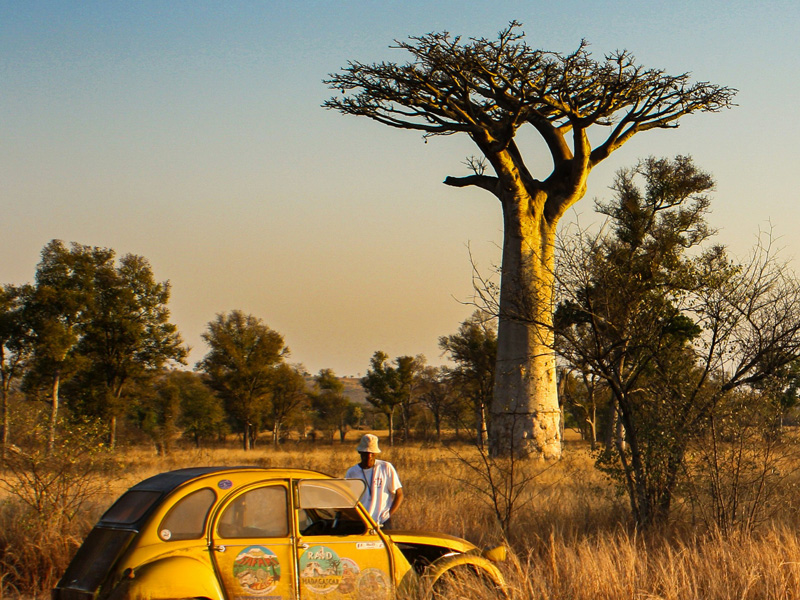
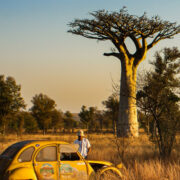
Madagascar is one of the most biologically unique places on Earth. With an exceptionally high level of endemism, its national parks and natural reserves protect ecosystems found nowhere else, from lush rainforests to dry spiny forests and dramatic limestone formations.
Exploring these protected areas is a privilege. Doing so responsibly is essential.
Why responsible tourism matters in Madagascar
Madagascar’s natural heritage is extraordinary, but it is also fragile. Deforestation, climate change, and economic pressures threaten many habitats.
When managed properly, tourism becomes a powerful force for good:
- It contributes directly to park conservation funding
- It creates employment for local communities
- It encourages wildlife protection
- It supports traditional knowledge and local craftsmanship
Responsible travel is not just about minimizing harm. It actively contributes to preservation.
Respecting wildlife and ecosystems
Madagascar’s wildlife is highly sensitive. Many species, including lemurs and chameleons, exist only here.
When visiting reserves, it is essential to:
- Stay on marked trails
- Keep a respectful distance from animals
- Never feed or touch wildlife
- Avoid picking plants or removing natural elements
These simple actions help maintain the delicate balance of these ecosystems and ensure that future generations can experience them as well.
Reducing your environmental impact
Travelers can significantly reduce their footprint by adopting mindful habits:
- Avoid single use plastics
- Carry a reusable water bottle
- Dispose of waste responsibly
- Conserve water and electricity, especially in remote areas
In some regions of Madagascar, resources are limited. Conscious consumption makes a real difference.
Supporting local communities
Many protected areas are surrounded by villages whose livelihoods are closely linked to tourism.
Choosing local guides, staying in community based lodges, and purchasing locally made handicrafts helps:
- Generate sustainable income
- Strengthen local economies
- Encourage communities to protect surrounding natural areas
Responsible tourism creates a positive cycle where conservation and community development go hand in hand.
The value of professional guidance
Exploring Madagascar’s reserves with experienced local guides enhances both the experience and its sustainability.
Professional guides play a vital role in:
- Interpreting biodiversity and ecosystems
- Ensuring visitor safety
- Educating travelers about conservation
- Protecting sensitive areas
A well organized journey ensures that exploration and preservation coexist harmoniously.
Our commitment
At Calumma, responsible travel is integrated into every itinerary we design.
We work with trusted local partners, promote sustainable practices, and encourage travelers to understand the environmental and cultural context of the places they visit.
Traveling to Madagascar is an extraordinary experience. Traveling responsibly ensures that its natural wonders remain intact for generations to come.
If you wish to explore Madagascar’s natural reserves while contributing positively to their preservation, our team will design a journey that is both immersive and responsible.